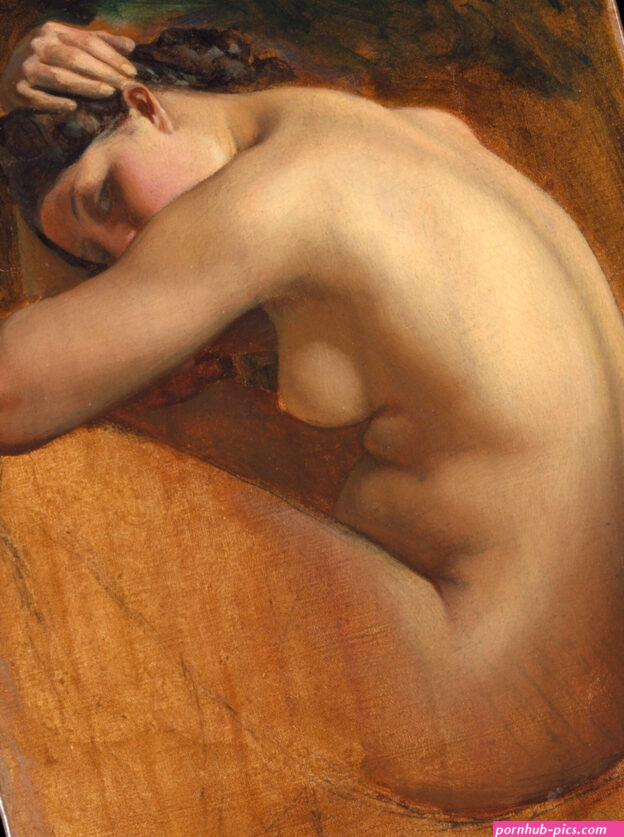

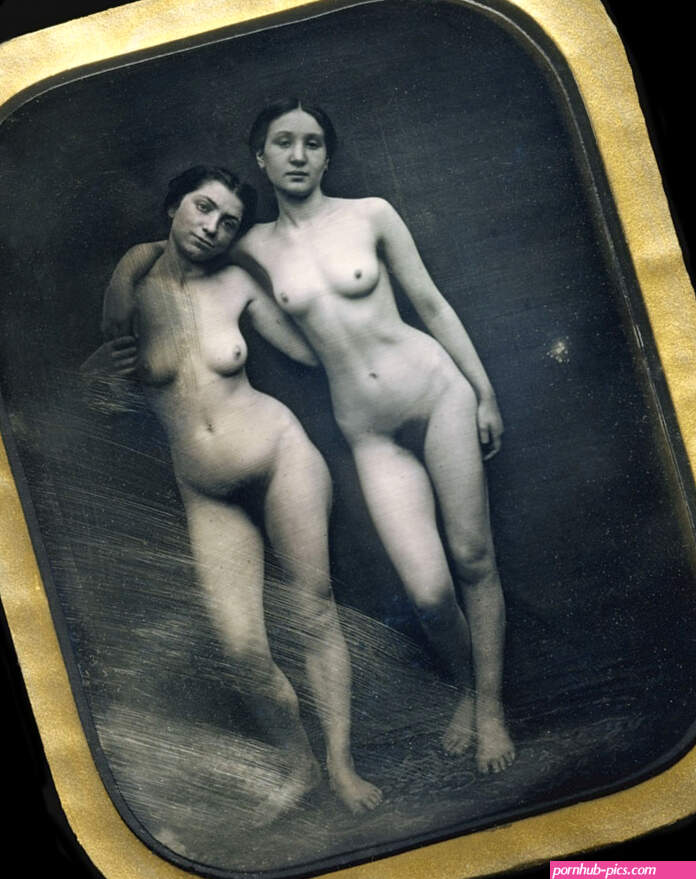
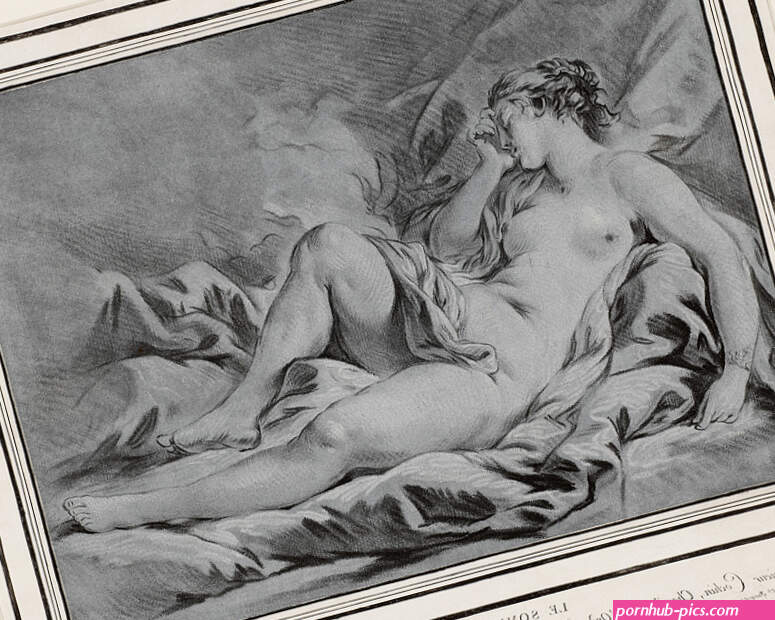
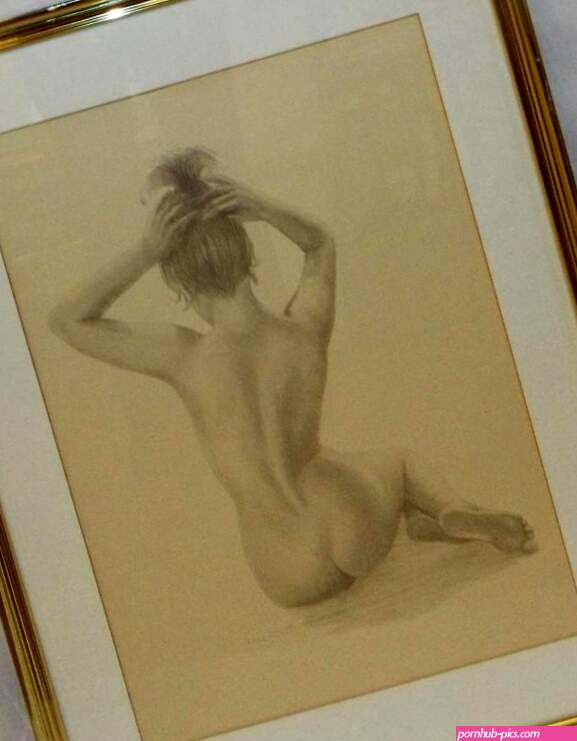
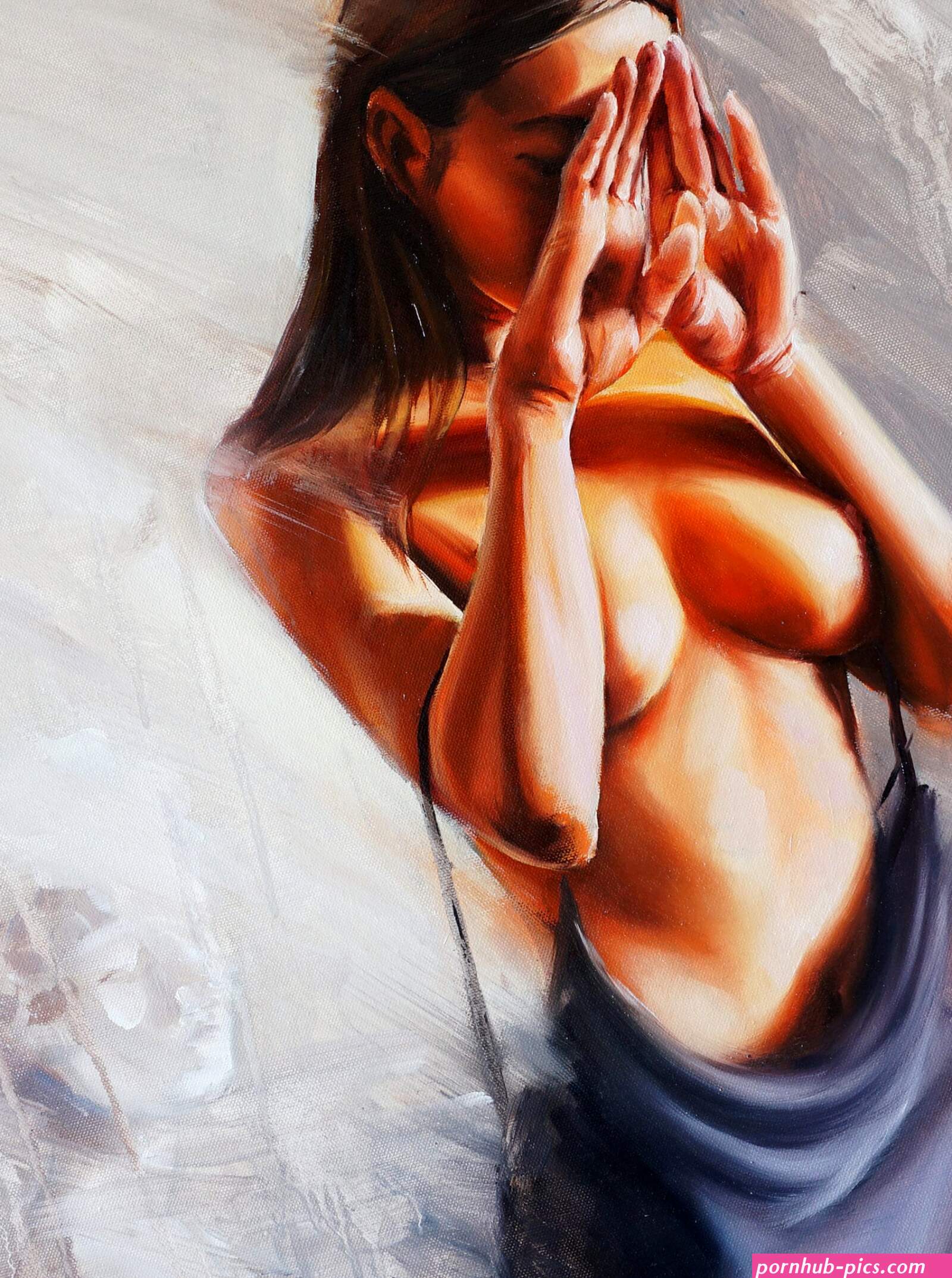

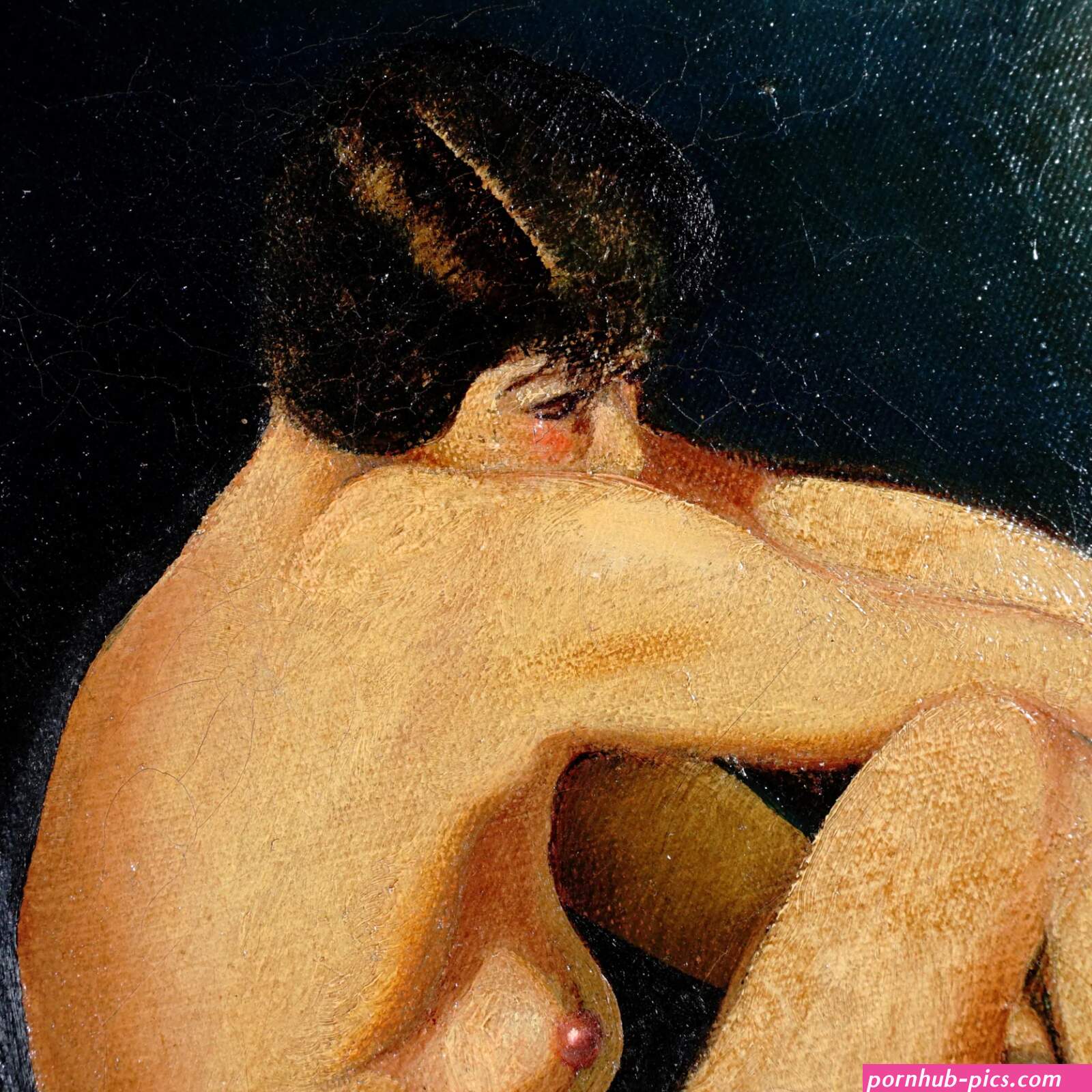
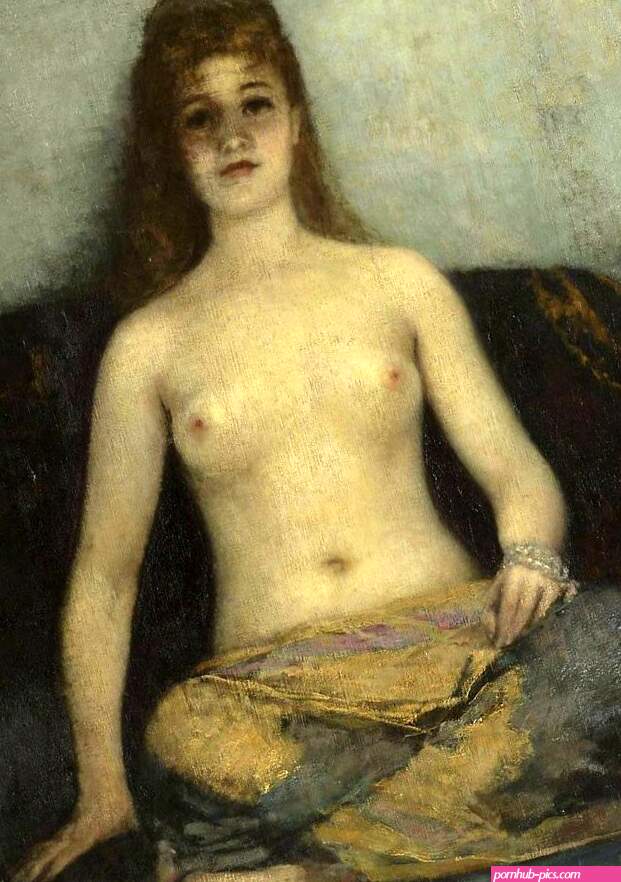
The nude, as a form of visual that focuses on the unclothed human figure, is an enduring tradition in . It was a preoccupation of , and after a semi-dormant period in the returned to a central position with the . Unclothed figures often also play a part in other types of art, such as , including and , , or the . From prehistory to the earliest civilizations, nude female figures were generally understood to be symbols of fertility or well-being.
One often cited book on the nude in art history is by , first published in 1956. The introductory chapter makes (though does not originate) the often-quoted distinction between the naked body and the nude. Clark states that to be naked is to be deprived of clothes, and implies embarrassment and shame, while a nude, as a work of art, has no such connotations.
One of the defining characteristics of the modern era in art was the blurring of the line between the naked and the nude. This likely first occurred with the painting (1797) by Goya, which in 1815 drew the attention of the . The shocking elements were that it showed a particular model in a contemporary setting, with pubic hair rather than the smooth perfection of goddesses and nymphs, who returned the gaze of the viewer rather than looking away. Some of the same characteristics were shocking almost 70 years later when Manet exhibited his , not because of religious issues, but because of its modernity. Rather than being a timeless that could be safely viewed with detachment, Manet’s image was assumed to be of a prostitute of that time, perhaps referencing the male viewers’ own sexual practices.
With regard to the distinction between art and pornography, Kenneth Clark noted that sexuality was part of the attraction to the nude as a subject of art, stating “no nude, however abstract, should fail to arouse in the spectator some vestige of feeling, even though it be only the faintest shadow—and if it does not do so it is bad art and false morals”. According to Clark, the explicit temple sculptures of tenth-century India “are great works of art because their eroticism is part of their whole philosophy”. Art can contain significant sexual content without being .
Related posts:
 Loba Game Sexy Nude Girl Anime Cartoon Art-Poster Decoration Prints Silk Home Wall Custom Decor Picture - Page 3
 Arabelle gives Julia a much needed lesson in the art of cock worship
 Mature old blowjob young old babe old
 Teradise island anal fever
 Dima anal
 Beauty pornstar
 Haleighcox blowjob 195
 Mother creampiedhot
 Porneval volume 2
 Sexy asian brunette babe gets naked
 Lesbians ffm
 Carole bouquet nude
 Sunny Leone in Pink for Bikini Riot with Sunny Leone via
 Ywzzz Nude OnlyFans Leak Picture URXw7NdYQn
 Short curvy jocey
 Sofiaspams leaked of
 Dina belenkaya nude
 Giselle Lynette 6
 Mollyeskam nude
 Katiabang nudes