

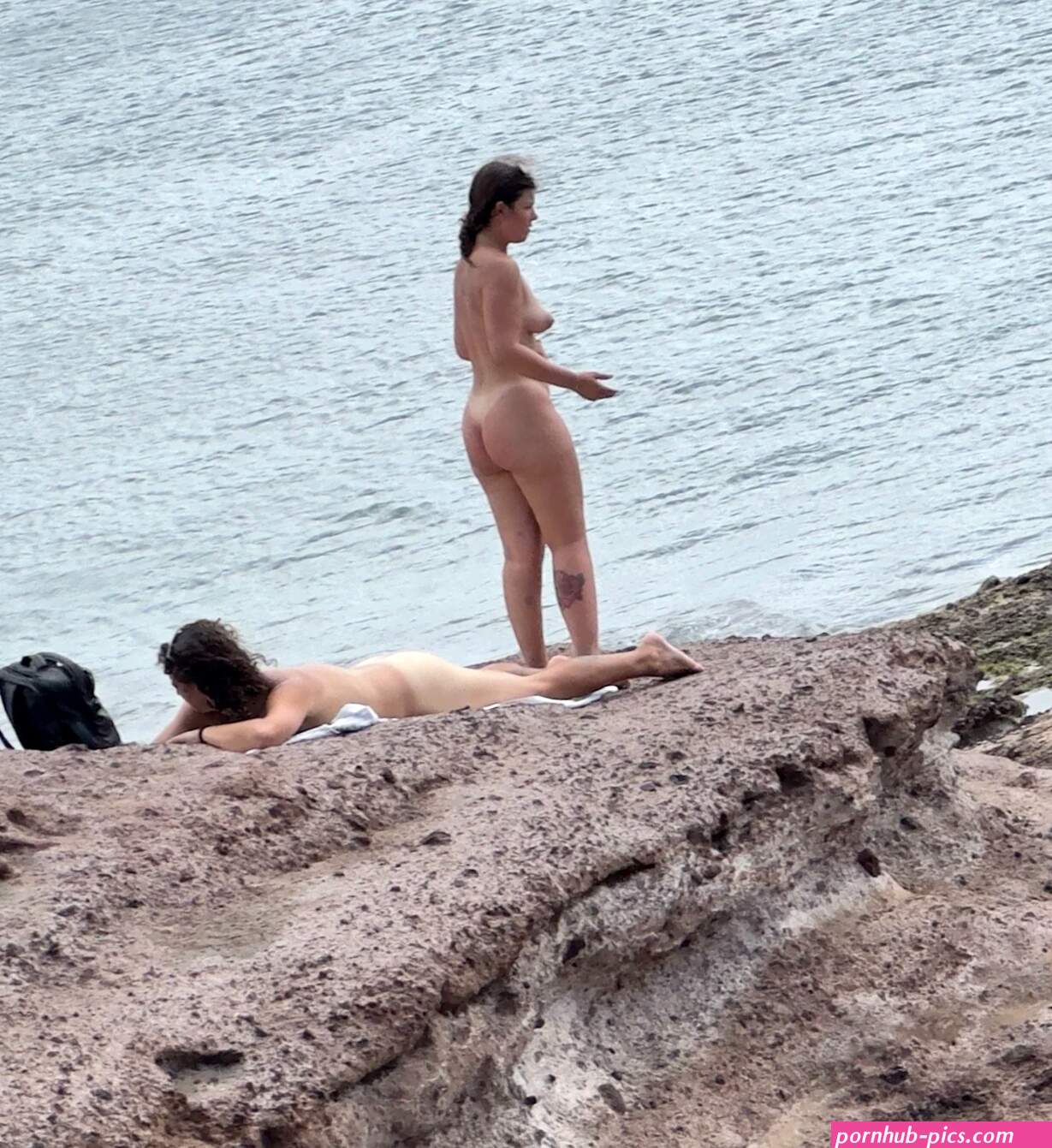
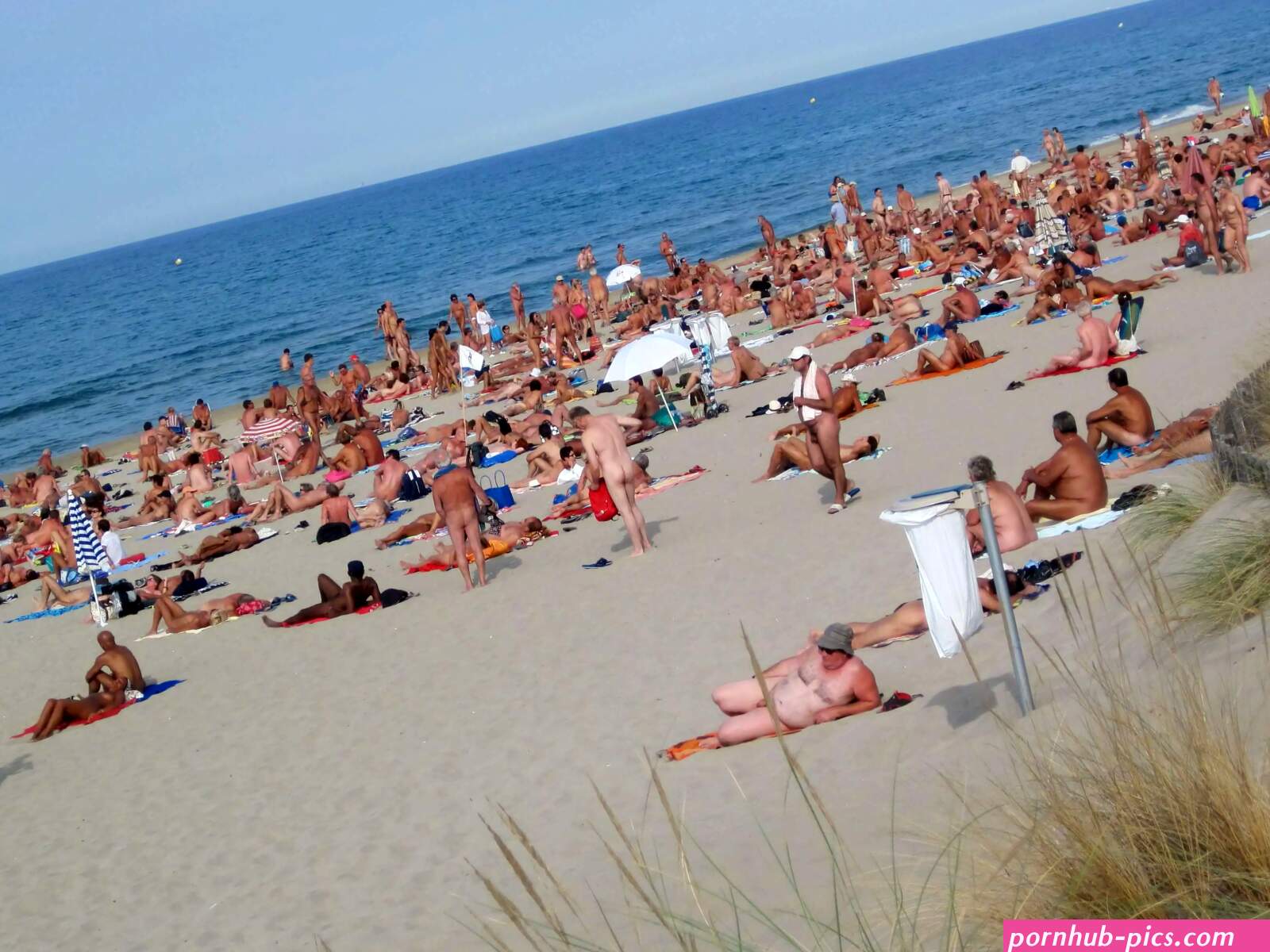
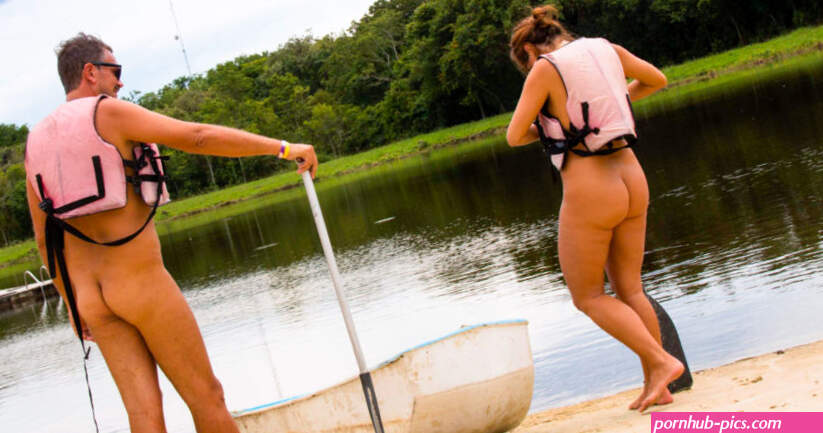

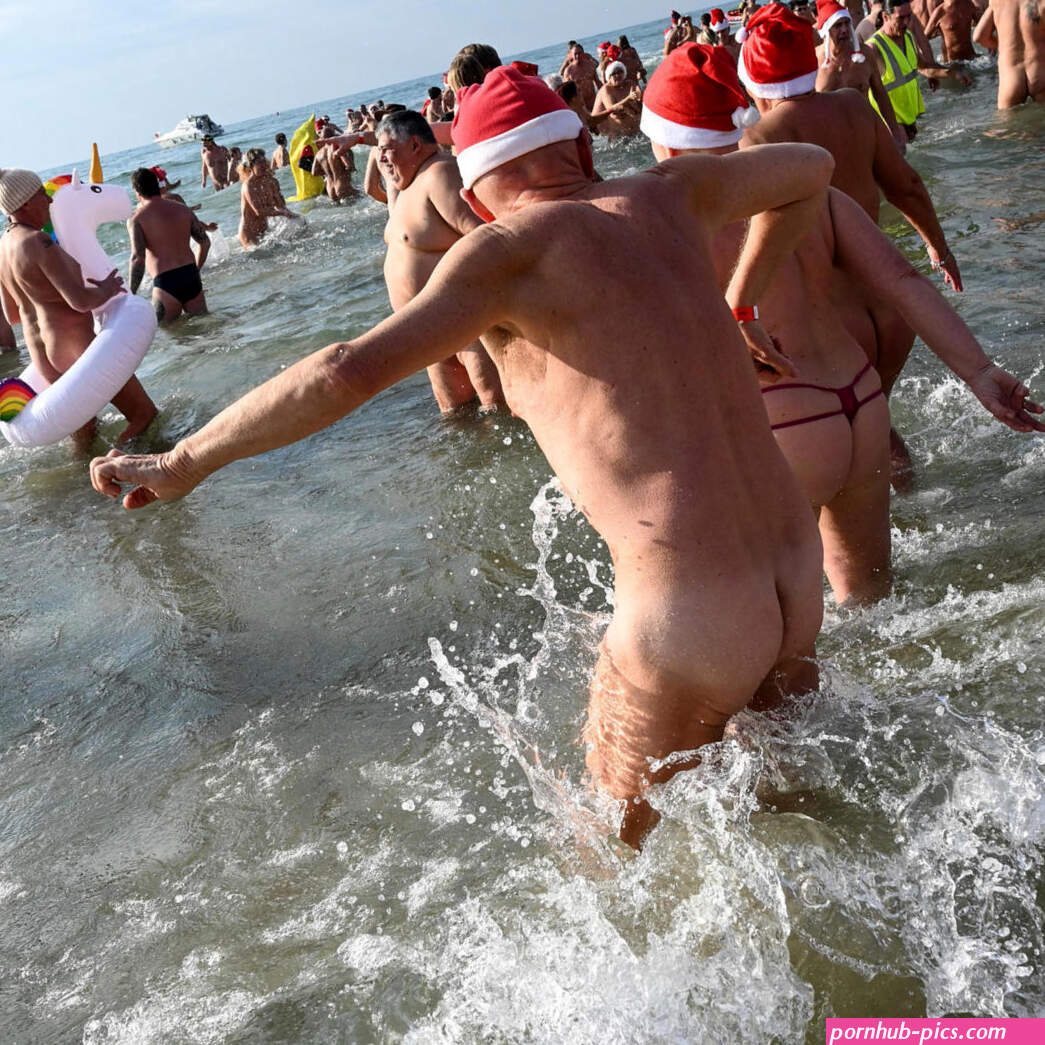

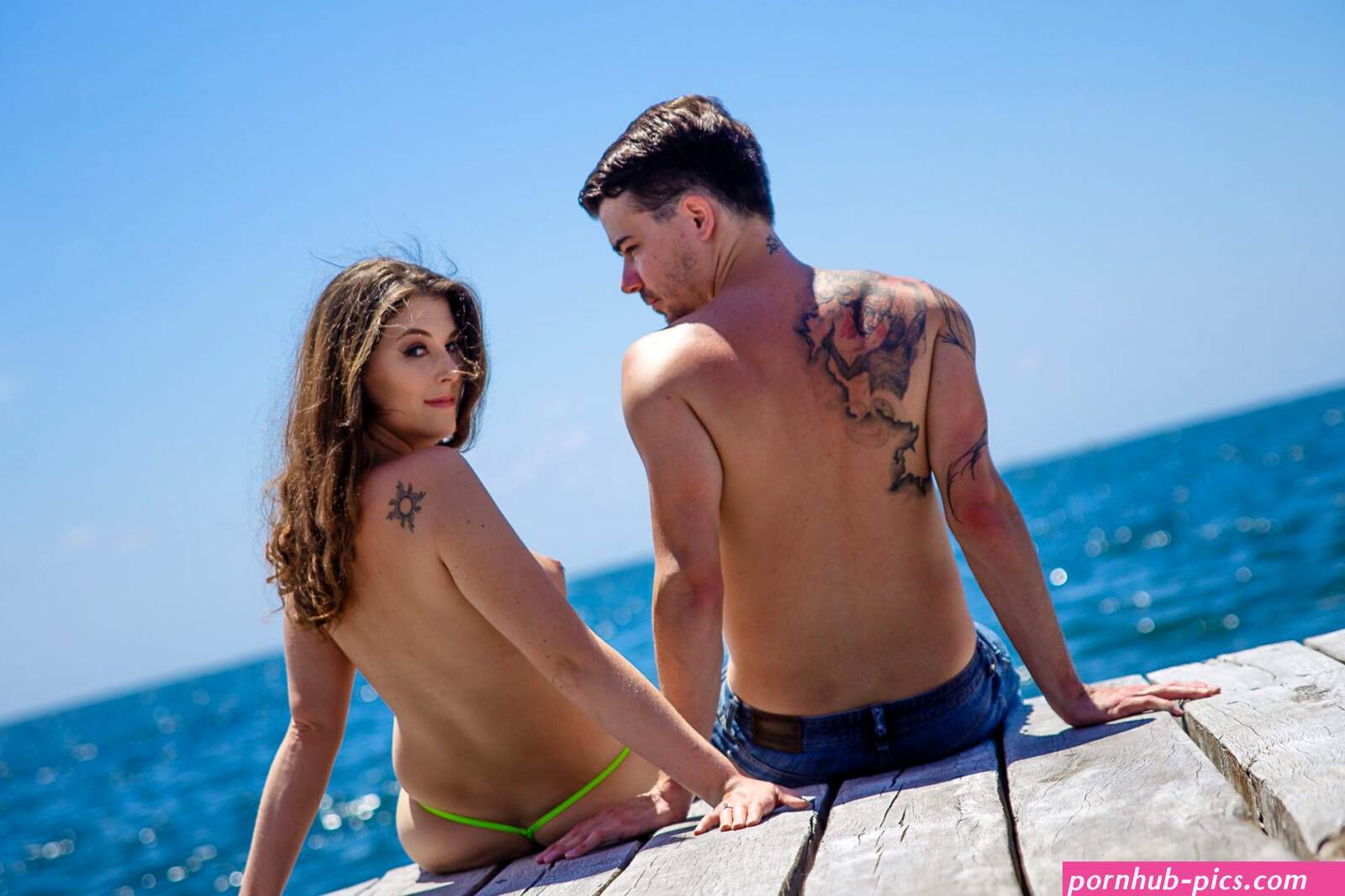
People were charged with indecency on Levant as late as 1948. But in the absence of any national policy in the highly centralized French state, the local municipality adapted a policy of “tolerating and even defending European nude tourism as a means of economic development,” Harp writes.
But Levant’s time in the sun couldn’t last forever. The island was mostly controlled by the French Navy and hosted a missile test site. In 1953, the navy banned tourists from four fifths of the island. As Harp writes, Levant’s nudist affinity group argued that “the ‘liberty’ of foreigners in France to engage in nude tourism was as important to the long-term national interest as French missiles were.”
Nude tourism was a part of the integration of Europe into a common market and a common feeling of European-ness after the enmities of two world wars. There are no uniforms, after all, on a nude beach.
The Market Will Bare It: Transnational Nude Tourism
Related posts:
 Pornwatch noelle easton - Page 3
 Stormybuns aka stormybuns Nude Leaks OnlyFans
 Peyton Coffee Leaked Nude Photo
 PornPics World Aziani Nikki Nova Mobile Pornstar Gossip Naked Gallery
 Watch online Kimberly Yang aka Sexythangyang OnlyFans
 Bhadie kelly erome
 Iv models porn
 Emilylittle nude
 Reshmi r nair sex photos
 Resmi r nair standing fuck
 Balthazar sex tape
 Resmi nair nude fapeza
 Pornx
Pornx
 Violetisawallflower nudes
 Joy fake nudes
 Ellie mae naked pics
 Pinay hd porn
 Beth howland nude
 Lily rader porn hub
 Anita ognjanovic nude