


When ‘The Naked and the Nude’ met Durga
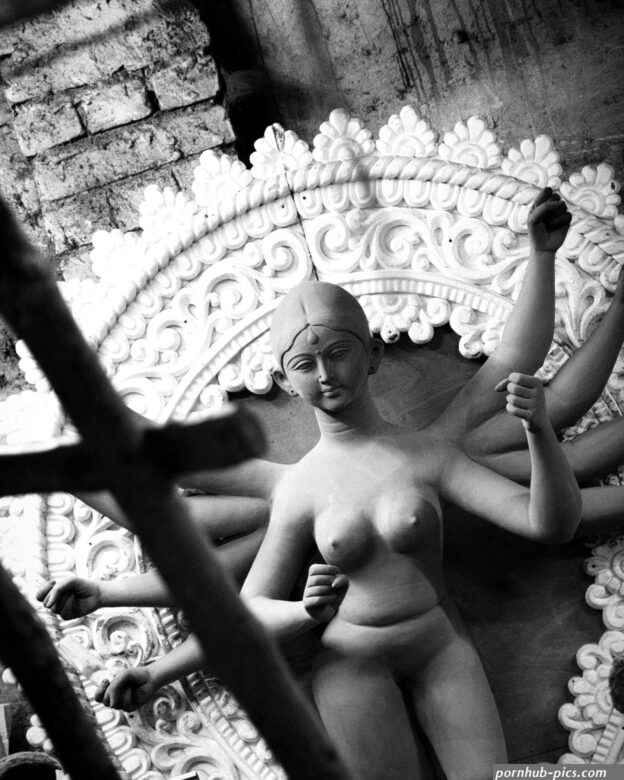
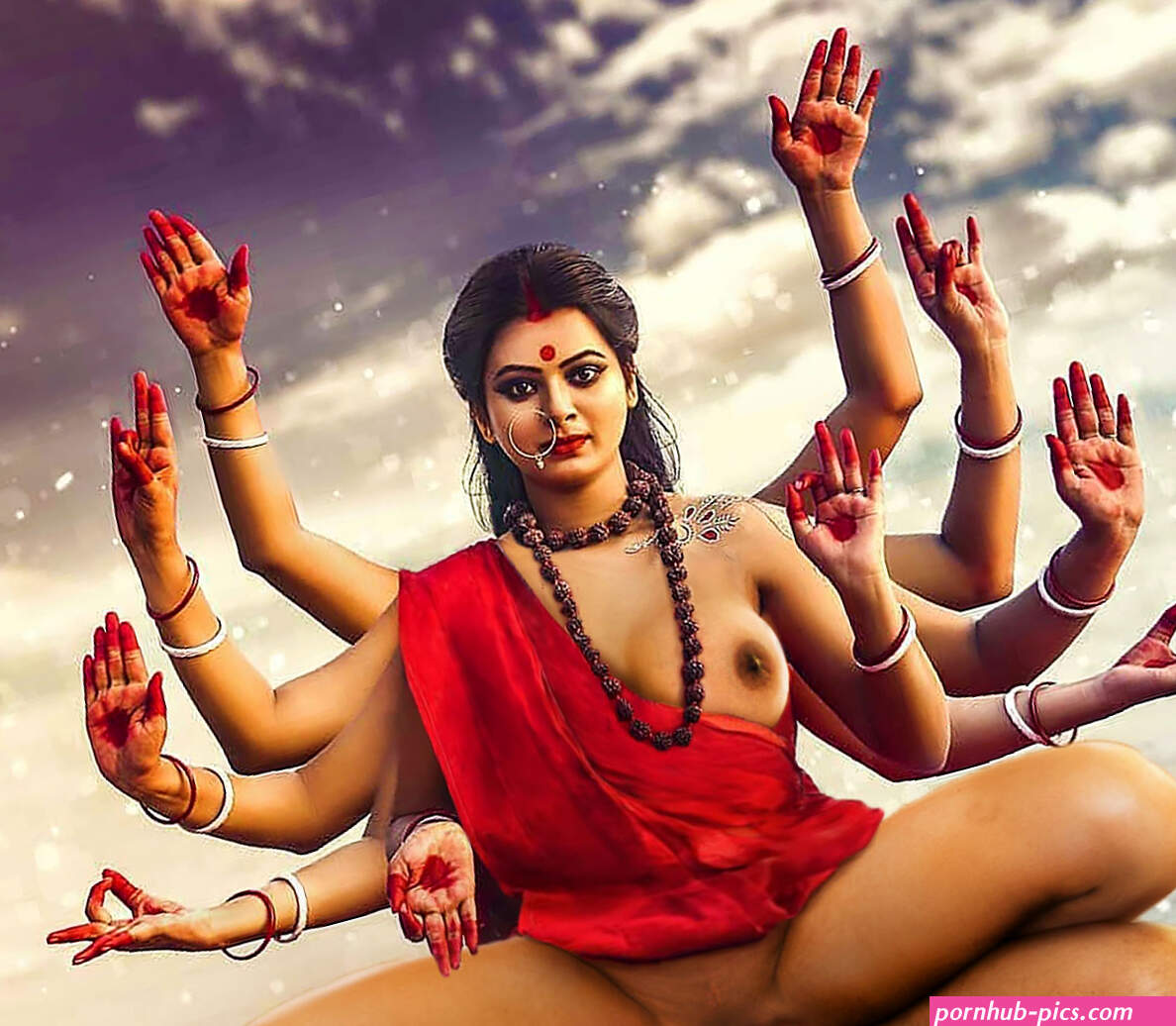
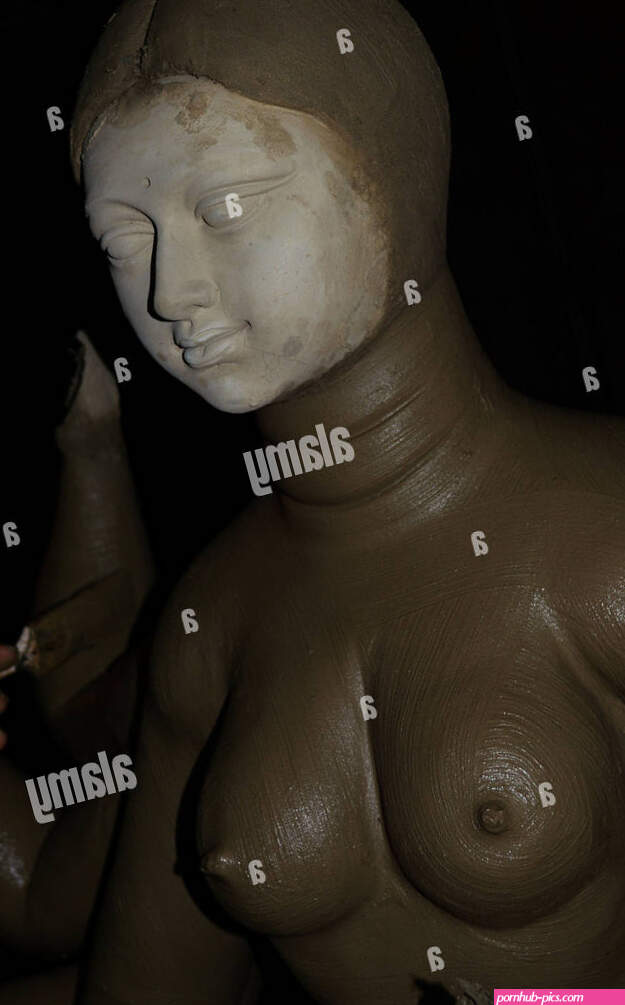
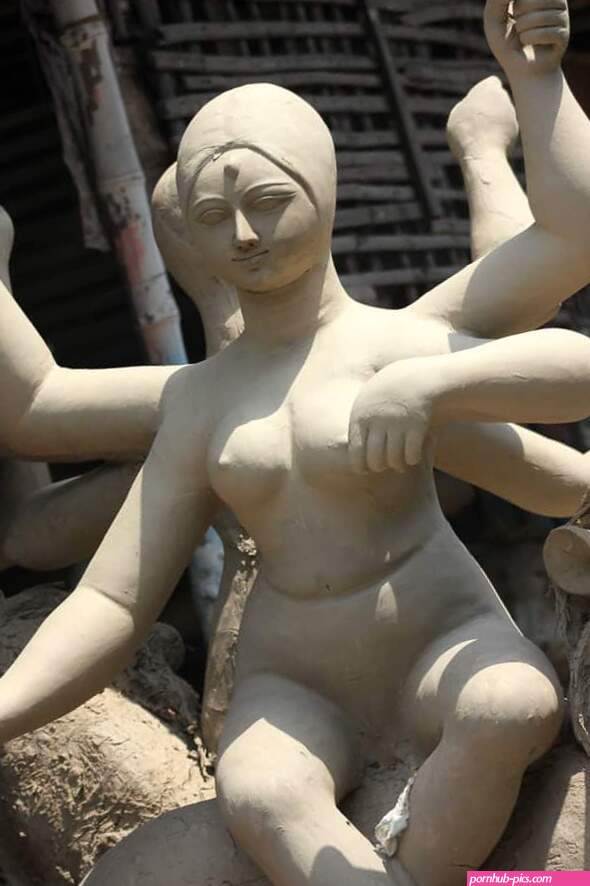
The first artwork we looked at was , a large, semi-nude statue of the Hindu goddess Durga. The statue depicts a triumphant goddess standing tall and proud over the body of a slain buffalo demon. Her many hands hold a variety of different weapons. She also wears relatively little clothing; her breasts are in full view, and she is adorned with jewelry. When we first saw her, we assumed she was being sexualized due to her lack of clothing, but Associate Curator Kurt Behrendt told us that the statue was created to praise and honor the goddess, not to sexualize her.
Looking again with a new perception, we understood what Behrendt meant. Even though she is depicted clad in nothing more than a loose, jewel-adorned skirt, Durga’s strong gaze and posture shows that she was respected as a powerful warrior. Her stance over the defeated buffalo demon shows her prowess in battle while retaining her beauty. Overall, we found that the statue portrays Durga as powerful despite the fact that she is nude. We could see that she was feared, awed, worshiped, and exalted.
Why does Durga’s nudity overshadow her story? Both of these figures slayed an evil entity while nude, but we saw them differently. When we looked at Perseus, we recalled only his victorious battle. His nudity was ignored and his story absorbed. When we looked at Durga, we focused on her body and not on her triumph over the demon. Is there a problem with our perception?
Related posts:
 Juan largo porno - Page 2
 Bbg blowjob
 Parvati fakes pussy
 Futa taker pov sex lora
 Airi pussy aibo
 Ellen joe nude
 Cyberpunk lucy naked
 Eating food from pussy
 Smells project pussy
 Genshi impact lumine porn
 Shizuka minamotot porn
 Bug impregnattion porn
 Baka nude
 Code geass cosplay porn
 Tifa Glory Hole
 3D Animation Porn Maid Tifa Anal Sex Orgasms TDonTran Saberwolf Final Fantasy
 G4 :: Mommy Long Legs x Billy by smog1
 Samus Ridley Side Fuck
 FNAF sex fredina
 Emmpyfour porn